The first material language
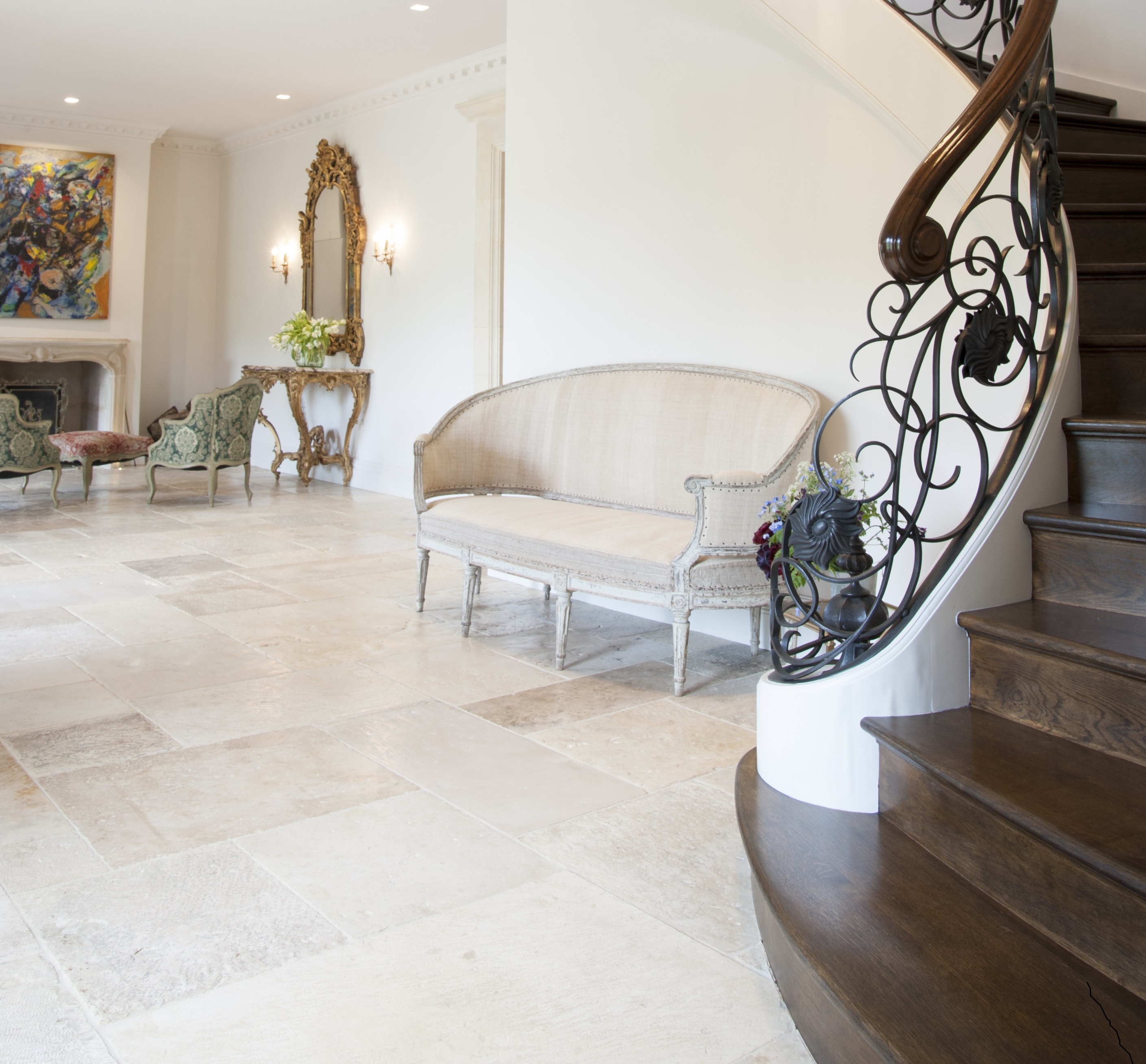
Before oak, marble, and rare architectural finds enter the conversation, limestone
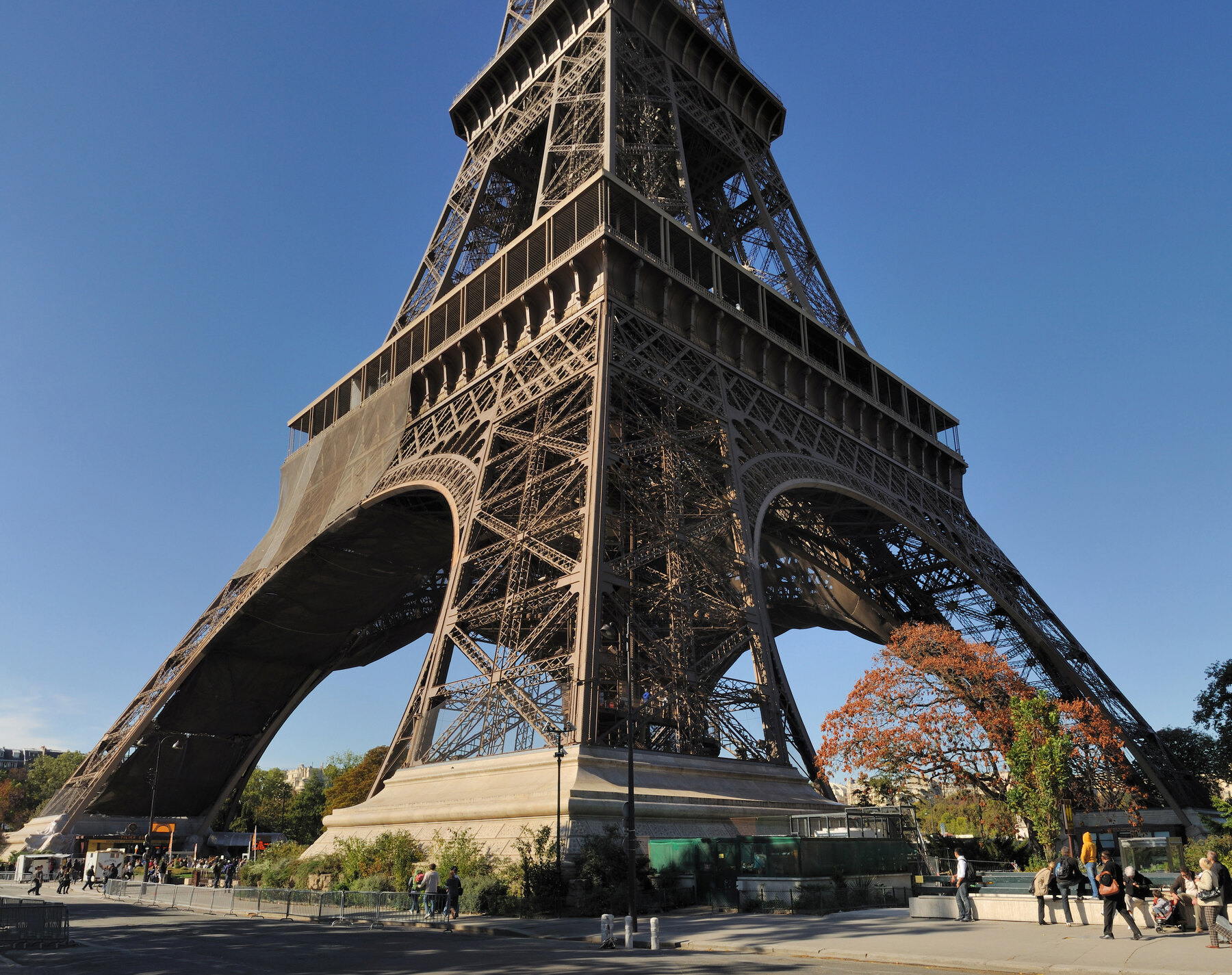
establishes the tone. This Eiffel Tower base matters because it is not a styling
reference. It is built proof that stone chosen and installed correctly can remain
convincing for generations, both structurally and visually.
Why it works commercially
French limestone gives the site a clear lead category. It signals flooring, paving,
facades, pool surrounds, coping, and architectural stone in one material family
without making the business feel scattered. The Eiffel reference adds immediate
credibility to that story because the material is shown in real structural use.
Why it works aesthetically
The color, scale, and surface character of limestone photograph beautifully. Here it
also shows its relationship with wrought iron, engineering, and weathering. That
combination of beauty and structural seriousness is exactly why it belongs at the
front of the site.
Why it is relevant here
On this site, limestone is not only another material option. It is the entry point
that best explains Alisanne’s point of view: European materials chosen for quiet
authority, permanence, and the ability to age gracefully. The actual Eiffel base makes
that point faster than generic mood photography ever could.
That is why it should lead the visual story. Once the limestone language is clear, the
rest of the collection feels coherent rather than miscellaneous. It places the
conversation in durability, not trend.
For the right client, that is a stronger opening than almost any other material:
immediate calm, immediate architectural seriousness, and immediate evidence that the
material belongs in a long-horizon house rather than a short-lived visual trend.