The history
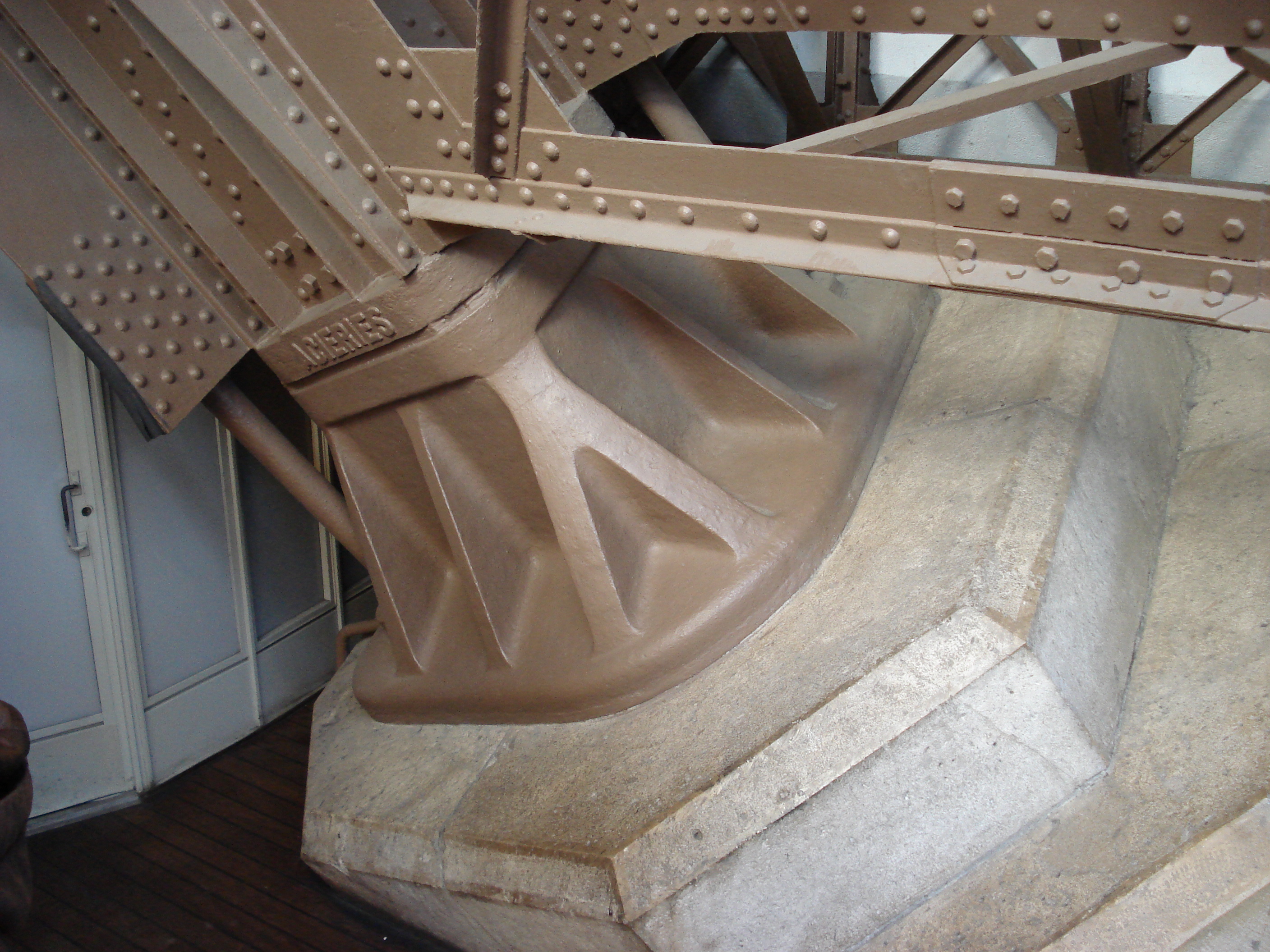
According to the official Eiffel Tower history, work began on January 26, 1887 with
sixteen masonry foundation blocks, one for each edge of the four pillars. A companion
article from the same official history notes that sixteen stone blocks were built and
that each base was surrounded by a masonry wall at the level of each pillar.
What was built
The visible iron structure depends on a much quieter foundation story: excavations,
resistant gravel deposits, below-water work on the Seine side, stone foundation
blocks, and masonry built to carry the loads correctly before the metal assembly
even began.
Why it matters
For Alisanne’s world, the relevance is not that every project should imitate the
Eiffel Tower. It is that serious material work has always relied on permanence,
structural judgment, and foundations executed with discipline rather than fashion.
Why it is relevant here
The homepage is built around French limestone and long-horizon residential work. This
reference supports that story because it shows how durable stone and masonry work can
remain legible and useful long after trends have changed. It is a reference point for
endurance, not decoration.
That is the same standard Alisanne’s site is pointing toward: materials chosen for
proportion, permanence, and the ability to age with clarity over time.